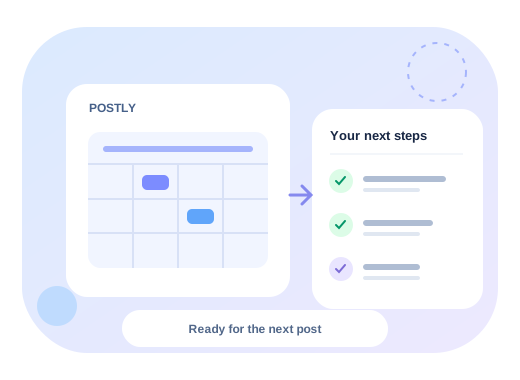
This is the core publishing flow in Postly. Everything else builds around it: approvals, recurring schedules, bulk imports, analytics, API automation, and MCP execution.
The basic publishing decision
Every post usually ends in one of three states:
- draft
- scheduled
- published now
That choice depends on review needs, campaign timing, and how confident you are in the content and media.
Standard post creation flow
- Choose the correct workspace.
- Add the post text, CTA, and any required platform context.
- Attach media or a link if the campaign needs it.
- Select the channels or destinations that should receive it.
- Preview and validate the result.
- Save as draft, schedule, or publish now.
What to decide before you click publish
Is one message enough for every destination?
Sometimes yes. Sometimes the campaign needs channel-specific adjustments. Postly supports the idea that one campaign can still have different publishing behavior per target.
Does the media need special handling?
If the asset is already in Postly Cloud, use it. If it comes from a public URL, upload flow, or generated output, make sure it is ingested before the final publish step.
Does the post need approval?
If yes, keep the post in the right review path instead of publishing directly.
Recommended habits
- keep campaigns grouped by workspace
- preview before scheduling at scale
- reuse strong formats through templates
- treat recurring content separately from one-off launches
- review publish notifications after high-value posts go live
If your app or AI workflow is creating posts through API or MCP, mirror the same sequence: resolve workspace, resolve targets, attach media, then create or update the post.
Good next guides
Custom fields (shortcodes)
Use {{store_name}} or another saved custom field in post text to personalize each destination account. See setup, examples and fallback behavior.
Deletion and accidental live posts
Deleting a post in Postly is separate from removing published content. DELETE /posts/{postId} and postly_delete_post only remove the post in Postly; a successful response does not confirm live removal on any platform. In the dashboard, choose Delete on Platforms for supported destinations before removing the post, and review each result. Unsupported content needs manual action. DEV articles move to drafts rather than being permanently deleted.
Keep the post in Postly and live links until you have verified removal. Do not interpret a publishing notification or an absent post in Postly as a deletion receipt. See platform support, permissions, and the agency recovery workflow.