
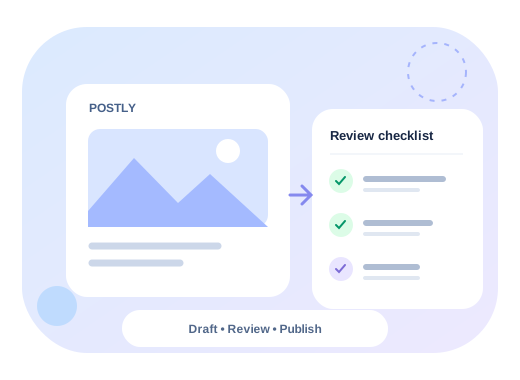
Approval workflow keeps Postly useful for real teams, not just solo schedulers. It gives brands, agencies, and internal teams a way to move quickly without losing oversight.
What approval workflow is for
Use approvals when:
- one person drafts and another approves
- clients need sign-off before publishing
- regulated or brand-sensitive content must be reviewed
- you want publishing permissions to stay narrower than drafting permissions
Typical workflow
- A teammate creates or edits the draft.
- The draft is scheduled or submitted into a review path.
- The post enters pending approval and is locked during review.
- An approver accepts or rejects it.
- Approved posts continue to schedule or publish. Rejected posts return for editing.
Why this matters
Approval workflow is not just about caution. It improves consistency.
- Teams publish with fewer accidental mistakes.
- Clients stay involved without needing account credentials.
- Operators can move faster because the review path is already defined.
- AI-assisted drafts can still be governed before they go live.
Good operating patterns
Keep the reviewer role clear
Avoid making everyone an approver. Define who reviews brand, compliance, campaign timing, or final copy.
Use workspaces to separate review contexts
If you manage multiple brands or clients, keep approval workflow inside the correct workspace so comments, drafts, and publishing targets do not overlap.
Combine approvals with templates
If the same content type appears often, save a repeatable template so reviewers spend time on the changing parts, not the structure.
Approval workflow also fits well with MCP. Agents can help draft or prepare posts, but teams can still keep a final human approval step before content goes live.
When to skip approvals
Approvals are not necessary for every post. Small teams may prefer direct scheduling for low-risk recurring formats, internal announcements, or highly standardized campaigns.