Ghost SEO Publishing with Metadata and Social Previews

Publish Ghost articles with canonical URLs, search metadata, Open Graph fields, featured images, tags, and member visibility.
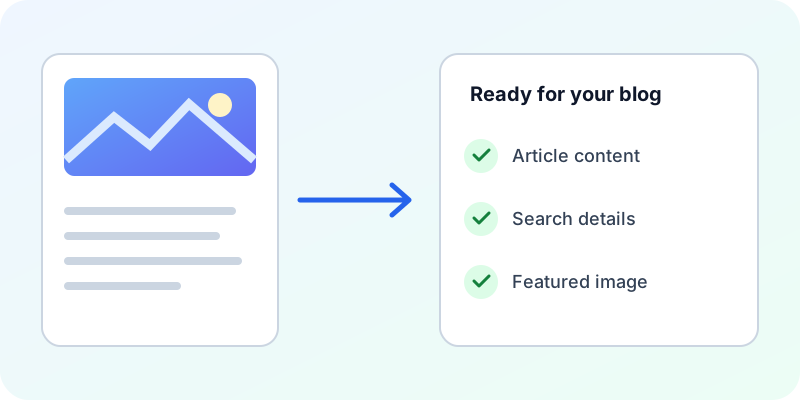
How the workflow works
- Step 1
Prepare the article title, slug, excerpt, and tags.
- Step 2
Add canonical, meta title, and meta description values.
- Step 3
Configure featured media and social preview fields.
- Step 4
Preview the article and publish or save it as a draft.
Ghost SEO fields and publishing limits
Native SEO title, description, canonical URL, and separate Open Graph and X preview fields are supported.
Images in Ghost articles
Set a featured image, alt text, caption, and separate social images. Uploaded media keeps its correct filename and file type. Check the destination preview after publishing. A cover image and a social preview image serve different purposes; supply each supported field deliberately.
Publish through CSV, Google Sheets, API or MCP
Start with a fresh platform-specific template in Bulk Post before each batch. Google Sheets uses the platform's column names, while API and MCP requests use its settings object. Unsupported SEO fields are reported so you can correct the request before publishing. Use the cross-channel field guide below for the exact names.
Check the live article before repeating a request
Open the returned article URL and review the title, images and supported metadata. For cross-posts, use the original article URL as the canonical URL where available. If a post exists but a setting needs attention, correct that post; submitting it again may create a duplicate. Search engines can rewrite snippets, so compare the actual page metadata rather than only its search result.
Frequently asked questions
Which SEO settings can I send to Ghost?
Native SEO title, description, canonical URL, and separate Open Graph and X preview fields are supported.
Can I bulk publish Ghost articles with images?
Use a fresh platform-specific CSV template or Google Sheets. Set a featured image, alt text, caption, and separate social images. Uploaded media keeps its correct filename and file type.